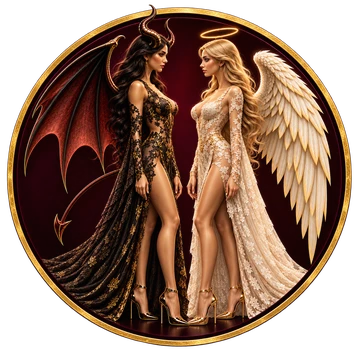
Ancient traditions
Lilith-related figures appear in older Near Eastern and Jewish traditions associated with the night and danger.
About Lilith
Lilith’s Playhouse takes its name from a figure whose meaning has changed across religion, folklore, literature and modern culture.
Background
There is no single continuous biography of Lilith. Different texts and periods describe different figures and ideas.
Lilith-related figures appear in older Near Eastern and Jewish traditions associated with the night and danger.
The story of Lilith leaving Adam after refusing a subordinate role is associated with the medieval Alphabet of Ben Sira, not the Genesis creation account.
Later writers and artists have repeatedly reinterpreted Lilith as a symbol of autonomy, equality and sexual independence.
Lilith’s Playhouse
For the Playhouse, Lilith represents adult autonomy, equality, privacy and the freedom to explore without surrendering responsibility to other people.
Adults choose their own interests, limits and level of participation.
Interest, payment, membership or previous contact never replaces consent.
Members control what they disclose and to whom.
Community participation still carries obligations to other people, venue rules and the law.
Sources
External references for the historical and literary background.
Primary texts and later Jewish commentary concerning Lilith.
External sourceThe medieval source most closely associated with the “first companion of Adam” narrative.
External sourceAccessible background on Lilith’s changing place in folklore and modern culture.